What Are the Best Cardboard Balers from China?
Choosing the best Cardboard Balers from China requires more than comparing prices on a product page. A reliable decision begins with material flow, bale density, operating space, and daily workload. A small warehouse may need a vertical baler with a narrow footprint. A recycling center may require a powerful horizontal model with automatic wire tying.
James R. Thompson, a veteran recycling-equipment consultant with over two decades of field experience, says, “The best baler is not the largest one; it is the machine that matches the material, people, and working rhythm.” That practical warning deserves attention. Oversized equipment can increase energy use, maintenance demands, and operator training costs. Underpowered machines create loose bales, slower production, and unnecessary frustration.
Chinese manufacturers now offer many Cardboard Balers with hydraulic compression, programmable controls, safety interlocks, and customized feeding chambers. However, specifications alone do not prove quality. Buyers should inspect weld consistency, hydraulic hose protection, steel thickness, electrical components, and emergency-stop access. Ask for bale samples, test videos, maintenance records, and clear warranty terms. Better still, request a live factory demonstration.
Some details are easy to miss. A quoted pressure rating may not reflect actual cardboard performance. Shipping damage can also complicate installation. I may be overly cautious, but after-sales support often matters more than a small purchase discount. This guide compares practical machine types, factory capabilities, safety features, and long-term operating value. The goal is not to praise every Chinese supplier. It is to identify equipment that performs steadily in real working conditions.
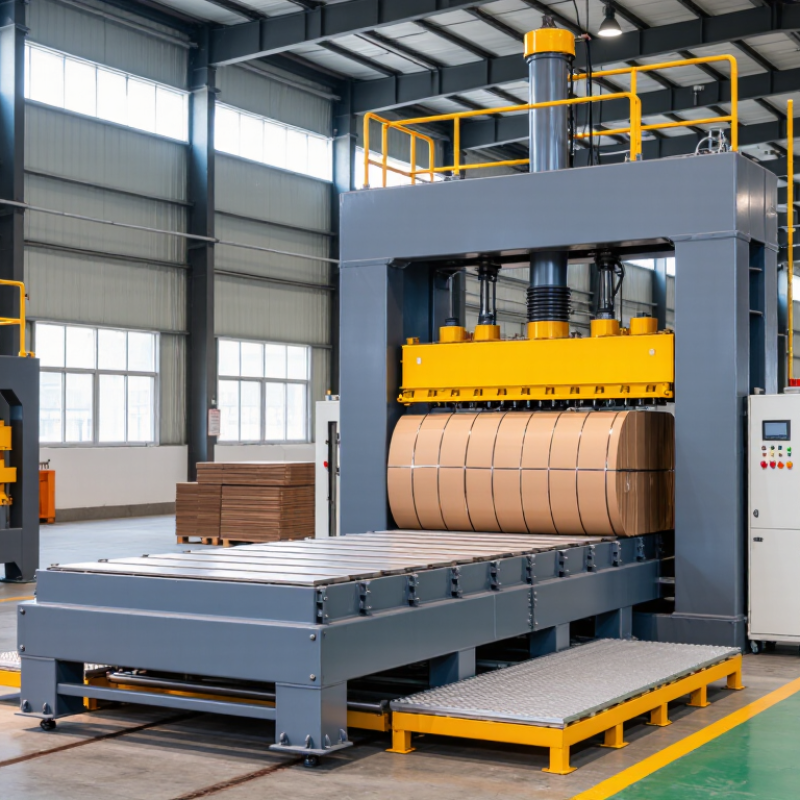
Types of Cardboard Balers Manufactured in China
Cardboard balers manufactured in China serve different recycling environments. Vertical balers suit shops, warehouses, and small distribution centers. Operators load cartons through a top chamber. The machine compresses material into compact bales. These units need limited floor space. They usually require manual tying after compression.
Semi-automatic horizontal balers handle larger cardboard volumes. Workers feed flattened boxes onto a conveyor or directly into the chamber. The baler compresses material from one direction. Some models use automatic wire or strap tying systems. Fully automatic horizontal balers support continuous sorting lines. Sensors, programmable controls, and hydraulic systems reduce manual handling. Two-ram balers can process mixed cardboard streams with fewer interruptions. However, their higher cost demands careful volume planning.
From practical equipment checks, bale density matters more than impressive motor ratings. Buyers should compare chamber size, cycle time, power use, and tying material. Ask for test bales using your actual cardboard. Corrugated sheets with moisture or plastic contamination may behave differently. Inspect welds, hydraulic hoses, safety guards, and emergency stops before shipment. Remote support can be useful, but response quality varies between suppliers. I have found that published capacity figures may assume ideal, dry material. That assumption is easy to miss. A factory inspection, operating video, and spare-parts list can expose weaknesses early. Examine the finished bale shape, because loose edges can create storage and transport problems.
What Are the Best Cardboard Balers from China?
Typical cardboard baler categories manufactured in China differ mainly in bale size, automation level, and operating capacity. The chart compares representative bale weights based on commonly published industry specification ranges.
Values are indicative midpoints of typical specification ranges. Actual performance depends on material moisture, cardboard composition, feeding method, and machine configuration.
How to Compare Chinese Cardboard Baler Models
When comparing Chinese cardboard baler models, start with material flow, not catalogue price. EPA’s 2018 Facts and Figures report recorded 67.4 million tons of paper and paperboard in U.S. municipal waste. The reported recycling rate was 68.2%. This volume makes compaction quality and reliable tying important operational factors.
For retail cartons, compare vertical and horizontal designs carefully. A vertical baler usually needs less floor space and suits shops with moderate daily volumes. A horizontal model can process larger loads with less manual handling. Check chamber dimensions, bale weight, pressing force, cycle time, motor power, and electrical requirements. A model rated for 100-kilogram bales may perform poorly with wet cartons or tightly folded sheets. Ask for test results using your actual cardboard. Clean samples can produce misleading figures.
Safety and service details deserve equal attention. Confirm door interlocks, emergency stops, guarding, hydraulic leak protection, and conformity documents for your destination market. CEPI’s 2023 statistics reported a European paper recycling rate of about 79% in 2022. That trend increases pressure for clean, dense, transport-ready bales. Compare binding wire or strap consumption, replacement seals, controller availability, and response times. A low purchase price can hide expensive downtime. I would also question unusually high capacity claims without a witnessed trial. My earlier mistake was comparing motor ratings alone; throughput depended more on feeding habits, cardboard moisture, and operator consistency.
Safety, Efficiency, and Maintenance Considerations
Choosing a cardboard baler from China requires more than comparing pressure and hourly capacity. Safety controls deserve equal attention. OSHA identifies balers and compactors as machinery requiring guarding and lockout/tagout procedures. A reliable machine should include an enclosed feed chamber, visible emergency stops, door interlocks, and clear hydraulic-pressure indicators. Operators should never reach into a jammed chamber, even when production is delayed. That rule sounds obvious, but rushed shifts often weaken it.
Efficiency depends on actual cardboard quality, not only brochure figures. The U.S. EPA reported 67.4 million tons of paper and paperboard generated in 2018, with about 68.2% recycled. Higher recovery rates increase demand for dense, consistent bales. During acceptance testing, measure bale weight, cycle time, power consumption, and wire usage with real corrugated waste. Moist cardboard can reduce density and increase hydraulic stress. I would not trust an impressive throughput claim without this test.
Maintenance should be simple enough for a tired technician at the end of a shift. Check hydraulic hoses, oil temperature, cylinder seals, sensors, and chamber wear weekly. Clean dust from electrical cabinets and photoelectric devices. Keep critical seals, filters, and wiring connectors available locally. ISO 45001 guidance supports documented inspections and worker participation, yet many facilities record checks only after failures. That habit needs reflection. A cheaper baler may become expensive when manuals are unclear, spare parts are slow, or one interlock is bypassed.
Choosing the Best Cardboard Baler for Your Business
Choosing a cardboard baler for your business starts with the material, not the advertised tonnage. In a busy warehouse, dry cartons may be folded loosely, mixed with tape, or compressed after rain. Each condition changes performance. I have found that a machine rated for 10 tons may feel inadequate when the feed opening is too narrow. Measure your largest cartons, daily volume, and available floor space before comparing suppliers in China. A simple production log often reveals more than a sales brochure. Small details matter.
For most small and mid-sized operations, a vertical baler can save space and simplify loading. A horizontal model may suit distribution centers handling continuous streams and heavier volumes. Check bale weight, cycle time, motor power, tying method, and chamber dimensions together. Ask for a live test using your own cardboard, if possible. Request electrical drawings, maintenance schedules, spare-parts lists, and clear warranty terms. Experienced manufacturers should explain limitations, not only quote maximum output. If every answer sounds perfect, look again.
Safety and service support deserve equal attention. Look for guarded moving parts, emergency stops, stable doors, and readable operating instructions. Confirm whether technicians can provide remote guidance and whether replacement parts are realistically available in your region. Before purchase, review installation requirements, noise levels, and power compatibility with a qualified local technician. I once focused too heavily on purchase price and underestimated training time. That mistake made the cheaper option less economical. A reliable choice balances throughput, operator confidence, maintenance access, and verified documentation. Leave room for occasional breakdowns. Real warehouses are rarely as tidy as product videos.
What Are the Best Cardboard Balers from China? - Choosing the Best Cardboard Baler for Your Business
| Baler Category | Typical Press Force | Typical Bale Size | Approx. Bale Weight* | Motor Range | Recommended Throughput | Tying Method | Best Business Application |
| Small Vertical Baler | 10–20 tonnes | 600 × 400 × 800 mm | 40–100 kg | 4–7.5 kW | 0.5–2 tonnes per hour | Manual wire or strap | Small retailers, offices, restaurants, and compact warehouses |
| Medium Vertical Baler | 20–40 tonnes | 800 × 700 × 1100 mm | 100–250 kg | 7.5–15 kW | 1–4 tonnes per hour | Manual wire or plastic strap | Supermarkets, distribution centers, and general recycling operations |
| Heavy-Duty Vertical Baler | 40–80 tonnes | 1100 × 800 × 1200 mm | 250–500 kg | 15–30 kW | 3–7 tonnes per hour | Wire or steel strap | Large warehouses, paper collection centers, and high-volume retailers |
| Horizontal Semi-Automatic Baler | 60–120 tonnes | 1100 × 1100 × 1200 mm | 350–700 kg | 22–45 kW | 5–12 tonnes per hour | Manual wire or strap after ejection | Recycling facilities with steady cardboard volume and forklift handling |
| Horizontal Fully Automatic Baler | 80–160 tonnes | 1100 × 1100 × 1600 mm | 450–800 kg | 30–75 kW | 8–18 tonnes per hour | Automatic wire or strap tying | Large distribution hubs, paper mills, and continuous recycling lines |
| High-Throughput Automatic Baler | 120–200 tonnes | 1100 × 1100 × 1800 mm | 600–1000 kg | 45–110 kW | 12–25 tonnes per hour | Multi-wire automatic tying | Industrial recycling plants and high-volume recovered-paper operations |
| Two-Ram Cardboard Baler | 80–180 tonnes | 1100 × 1100 × 1600 mm | 500–900 kg | 45–90 kW | 10–22 tonnes per hour | Automatic wire or strap tying | Facilities processing mixed paper, OCC, plastics, and variable material streams |
| Container-Loading Vertical Baler | 30–60 tonnes | 700 × 700 × 1000 mm | 150–350 kg | 11–22 kW | 2–6 tonnes per hour | Manual wire or strap | Export-oriented recyclers requiring dense, consistently sized bales |
| Note: The figures shown are typical specification ranges for China-manufactured cardboard balers. Actual performance depends on cardboard moisture, material density, feed preparation, bale dimensions, operating cycle, electrical configuration, and tying system. Bale weights are approximate and should be confirmed through a material test before purchase. |


