By using this site you agree to the use of cookies by the company in accordance with the Privacy Policy
The SS laser cutting machine has become vital in various industries. Its precision and efficiency can transform an idea into a tangible product. However, using this technology is not always straightforward.
Many users overlook essential practices that can enhance their results. Simple mistakes can lead to wasted materials and time. Effective usage requires understanding the machine's capabilities and limitations. This guide aims to provide valuable tips to maximize your SS laser cutting experience.
From maintenance to settings adjustments, each detail matters. Staying informed about best practices is crucial for optimal performance. Learning from both successes and failures will lead to better outcomes in your projects.
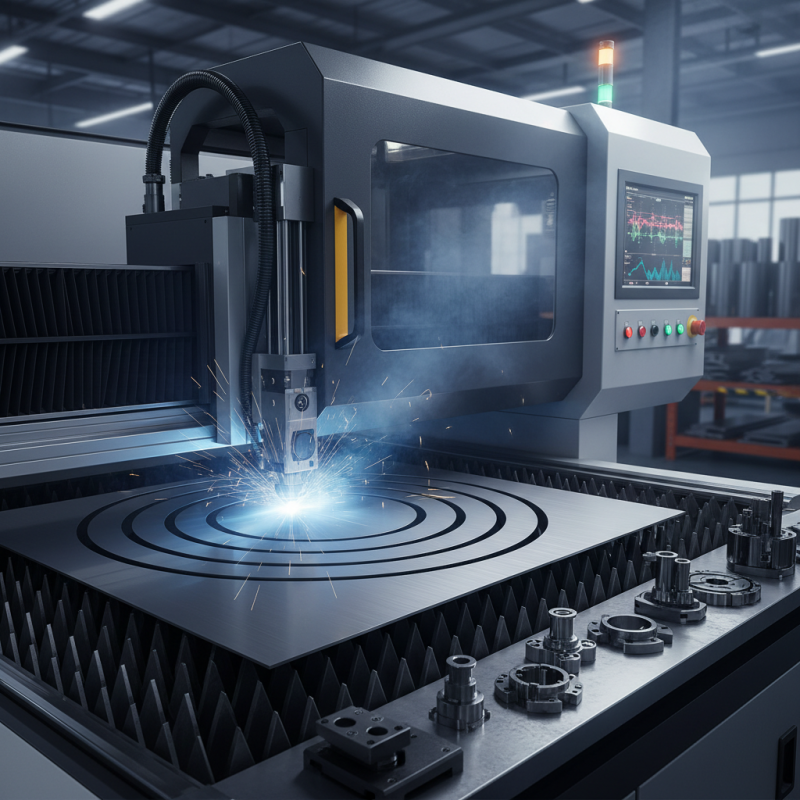
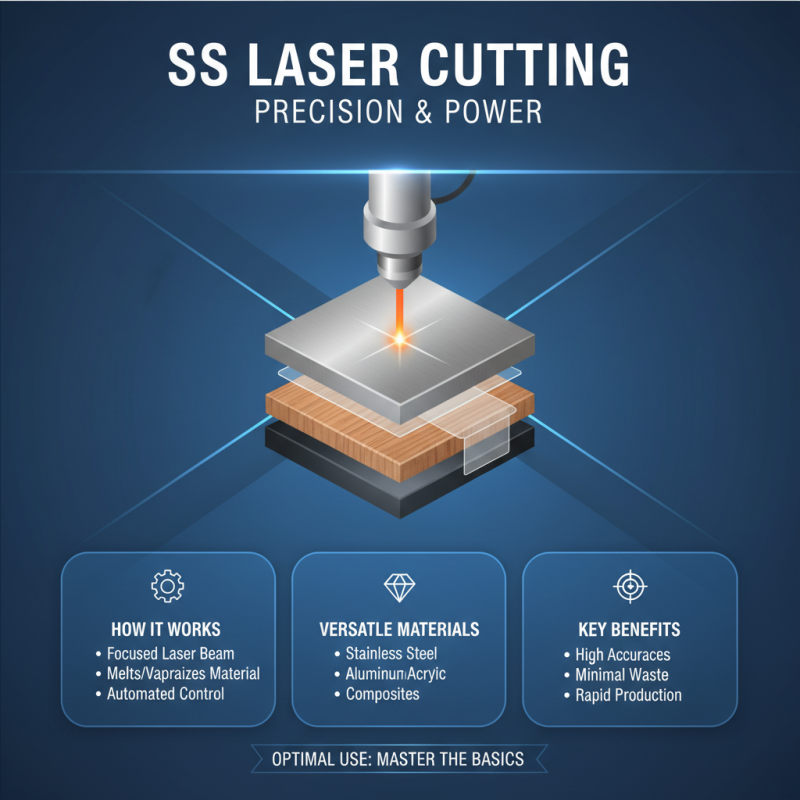
SS laser cutting machines are remarkable tools for precise cutting in various materials. Understanding their basics is crucial for optimal use. These machines use focused laser beams to cut through materials like stainless steel, wood, and plastics. To effectively harness their power, users must grasp their core functions.
Proper calibration is key. Check the laser's focus regularly. If the cut is rough, adjust the lens height. This simple action can enhance the precision dramatically. Users often neglect cleaning lenses. A dirty lens can scatter the laser beam. That's a quick way to ruin a project.
Another essential tip involves material selection. Not all materials behave the same under laser cutting. For example, some thin sheets may warp if the settings aren't right. Experimentation may lead to unexpected results. A flame effect can be appealing on some materials but not on others. Monitor your cuts closely to refine processes. Adjust speeds and power settings based on material feedback. Learning from trial and error can lead to future successes.
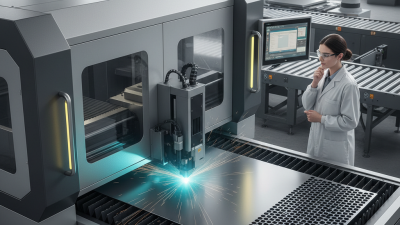
When operating laser cutting machines, safety is paramount. Always wear appropriate protective gear, such as goggles and gloves. This minimizes the risk of injury from light exposure and sharp materials. Secure any loose clothing or accessories. These can easily catch on moving parts, leading to accidents. Make sure the workspace is clean and organized. Clutter can lead to distractions, increasing the chances of mistakes.
While using the machine, focus on proper ventilation. Laser cutting generates smoke and fumes. Ensure that your workspace is well-ventilated to maintain air quality. Regularly inspect the equipment for any wear or damage. Small issues can escalate if ignored. Follow the machine's operational guidelines, but don't hesitate to rethink your approach if something doesn't feel right.
Remember to manage your time wisely. Rushing can lead to careless errors. Break down complex projects into manageable tasks. This allows for thorough checks along the way. Take breaks to maintain concentration. Working continuously can lead to fatigue, which compromises safety. Always prioritize thinking ahead. Reflecting on your process can reveal areas for improvement and enhance efficiency in the long run.
| Tip Number | Tip Description | Safety Precautions |
|---|---|---|
| 1 | Always read the manual before operating the machine. | Ensure proper understanding of machine functionality. |
| 2 | Maintain a clean working environment. | Reduce risk of fire hazards and ensure visibility. |
| 3 | Inspect the machine before starting. | Check for any signs of wear or damage. |
| 4 | Use appropriate personal protective equipment (PPE). | Wear safety glasses, gloves, and other required gear. |
| 5 | Set up a proper ventilation system. | Avoid inhaling harmful fumes. |
| 6 | Calibrate the machine regularly. | Ensure precision and optimal performance. |
| 7 | Be mindful of the material being cut. | Different materials have varying safety requirements. |
| 8 | Keep the area around the machine free from distractions. | Focus is essential for safe operation. |
| 9 | Have a fire extinguisher nearby. | Be prepared for any emergencies. |
| 10 | Perform regular maintenance checks. | Extend the machine's lifespan and ensure safety. |
Choosing the right materials is crucial for effective laser cutting. Various materials react differently to laser technology. Metals, plastics, and wood each require unique settings and considerations. For instance, according to industry reports, stainless steel requires higher wattage for cutting compared to acrylic. This difference can affect speed and precision.
Understanding material properties is essential. Thickness affects the laser’s focus. Too thick a material can lead to poor cuts or excessive burn marks. For instance, cutting through a ¼ inch steel plate may demand different parameters than a ⅛ inch. A study revealed that about 30% of errors in laser cutting stem from improper material selection.
Experimentation with settings is often necessary. The ideal speed and power settings aren't always straightforward. Operators sometimes need to adjust their approach for different batches. This can lead to inefficiencies or wasted materials. However, documenting trials can help refine processes over time. Balancing efficiency and quality is a common challenge in this area, prompting continuous improvement.
Achieving precision in laser cutting requires careful adjustment of settings. Start by selecting the correct power level. Too much power can burn the material, while too little may lead to incomplete cuts. Experimenting with various materials is essential. Each one reacts differently to laser cut settings.
Speed is another critical factor. Slower speeds result in cleaner cuts but can increase the chance of burning. Too fast, and the cuts may be rough. It’s a delicate balance. Monitoring the quality of each cut can help identify the optimal speed. Document your findings for future reference; this practice can save time and material.
Air assist also plays a vital role. It helps blow away debris and cools the material. Adjusting the air pressure can refine the cut quality. A high pressure can create a cleaner cut, but too much can cause unwanted blowback. Furthermore, keep the lens clean. A dirty lens can dramatically reduce precision. Ideal settings often require lots of trial and error. Don’t be afraid to make mistakes; they can lead to better understanding in the end.
Regular maintenance of your SS laser cutting machine is key to keeping it in top shape. Dust and debris buildup can affect its performance. Make a habit of cleaning the lens and mirrors after every use. This simple act can enhance the quality of cuts. Additionally, check the alignment of the laser periodically. Misalignment may cause uneven cuts and wasted materials.
Over time, components may wear out. Regularly inspect belts and focus lenses for signs of wear. Replace any defective parts promptly to avoid bigger issues. Lubricating moving parts is also crucial. Use the right lubricant to prevent rust and ensure smooth operation. Don't skip this step; it can save you from expensive repairs.
Watching how the equipment behaves can reveal patterns. If you notice unusual noises or vibrations, investigate them immediately.
Monitor the software settings as well. Outdated software can lead to inefficiencies. Always keep the software updated to eliminate bugs. Pay attention to operational logs for insights into performance trends. Making small adjustments based on these observations can significantly increase the machine’s longevity. Remember, taking care of the little things now can prevent frustration later. It's all about developing a keen eye for detail and consistency in maintenance.
By using this site you agree to the use of cookies by the company in accordance with the Privacy Policy
Have a questions or want to know more about our company? We'll be expecting you.