How to Choose the Right Laser Metal Cutting Machine for Your Business?
Choosing the right laser metal cutting machine can significantly impact production efficiency and quality. The global market for laser cutting technology is projected to reach $6 billion by 2027, highlighting its critical role in manufacturing. Experts like Dr. Emily Chen, a leading figure in industrial laser applications, emphasize, "Selecting the right machine is vital for optimizing resources and achieving precision."
Businesses face several challenges when selecting a laser metal cutting machine. Different models cater to varying materials, thicknesses, and production volumes. It’s not uncommon for companies to invest in machines that do not fit their specific needs. A miscalculation can lead to wasted resources and dissatisfaction. There are many options available, and sifting through them can be overwhelming.
Investing in the right laser metal cutting machine is essential for staying competitive. However, evaluating cost versus capabilities is often overlooked. High initial costs may deter some businesses from making the ideal choice. They may settle for less effective models, leading to long-term inefficiencies. Careful consideration and expert advice can help navigate these complex decisions.
Factors to Consider When Selecting a Laser Metal Cutting Machine
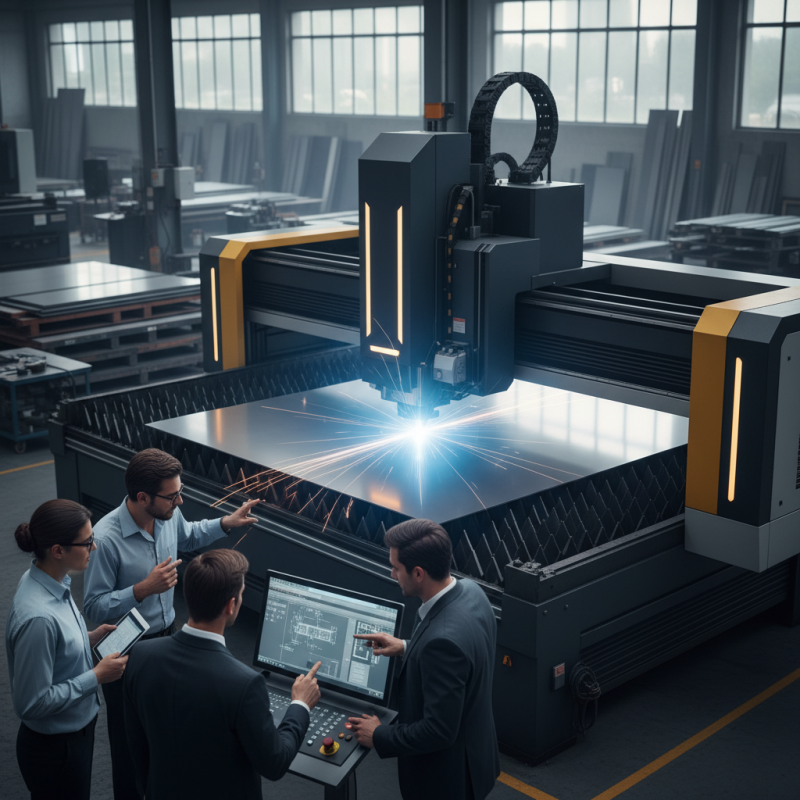
When selecting a laser metal cutting machine, several factors come into play. Power and wattage are crucial; higher wattage allows for cutting thicker materials. Different projects may require different thickness ranges, so consider your needs carefully. The speed of the machine also affects productivity. Faster machines can significantly reduce operational time, which is vital in a competitive market.
Another aspect to reflect on is the type of materials you'll be cutting. Some machines excel with certain metals but struggle with others.
Knowing your material types will narrow down your options. Remember, maintenance is key for longevity. Evaluate whether you have the resources to maintain the machine properly. Importantly, the software compatibility should not be overlooked. User-friendly software can streamline operations, but if it's overly complex, it may hinder performance.
Lastly, budget considerations cannot be ignored. High-quality machines often come with a hefty price tag. Cheaper options may cut corners in both performance and durability.
Determine what you can afford but remain cautious. A balance between cost and quality can make all the difference in the long term. Reflect on these elements carefully; they can ultimately shape your business's success.
Types of Laser Technologies Available for Metal Cutting
When choosing a laser metal cutting machine, understanding the types of available laser technologies is crucial. The most common types are CO2 lasers, fiber lasers, and Nd:YAG lasers. CO2 lasers are known for their efficiency in cutting thicker materials. They can cut metals like steel and aluminum effectively. However, they are generally less versatile when it comes to thin sheets.
On the other hand, fiber lasers have gained popularity rapidly. Industry reports indicate that fiber lasers offer lower operational costs due to their higher energy efficiency. They excel in cutting thin sheets and non-ferrous metals. Recent studies show that fiber lasers can reduce energy consumption by up to 40%. This makes them a preferred choice for many manufacturers aiming to optimize productivity.
Nd:YAG lasers, while less common, are still used in specialized applications. They perform well on small-scale cuts but can often be more complex to operate. The investment in Nd:YAG systems can be significant, and their maintenance costs may also be high. Reflecting on these factors is essential for businesses assessing their needs. Different applications may require different laser technologies, making the decision quite complex.
Assessing Your Business Needs and Application Requirements
Choosing the right laser metal cutting machine begins with a clear assessment of your business needs.
Identify the types of materials you'll cut. Consider their thickness and hardness.
Aluminum and steel require different laser powers.
Understanding these specifics is essential. A report from Technavio reveals that the global laser cutting machine market is expected to grow by over $2.5 billion from 2021 to 2025.
This growth is fueled by rising demand across various sectors, including automotive and aerospace.
Tips: Evaluate your production volume. Higher volumes might justify a more advanced machine.
Next, think about your application requirements. What are your production goals?
Will you prioritize speed or precision?
A fast machine may not always provide the accuracy needed for detailed designs.
The balance between speed and quality is crucial. A study published by MarketsandMarkets suggests that precision in cutting can reduce material waste by up to 30%.
This detail can significantly impact your overall costs.
Tips: Regularly review your cutting needs. They may evolve as your business grows.
Remember, not every machine suits every application. Consider training and support as you select equipment.
A machine with in-depth support can save you time and money. The wrong choice can lead to setbacks and increased operations costs.
Be mindful, the decision has long-term implications for your productivity.
Budgeting for Initial Purchase and Ongoing Operational Costs
When considering a laser metal cutting machine, budgeting is crucial. The initial purchase price is significant, but it's just the tip of the iceberg. You need to factor in installation costs, training expenses, and maintenance fees. These can all add up quickly. Have you accounted for these long-term expenses?
Ongoing operational costs can affect your bottom line. Energy consumption, material waste, and labor costs are often overlooked. A machine with lower operational costs may save you money in the long run. Consider how often you'll use it. Frequent use means higher costs in energy and maintenance, so plan accordingly. This might lead to rethinking your machine choice.
Estimate the total cost of ownership, not just the purchase price. This approach gives a clearer picture of the financial commitment. Are you prepared for unexpected repairs? It's wise to set aside a budget for these surprises. Evaluate each aspect critically, rather than just focusing on the shiny new tech.
Evaluating Supplier Reputation and Customer Support Services
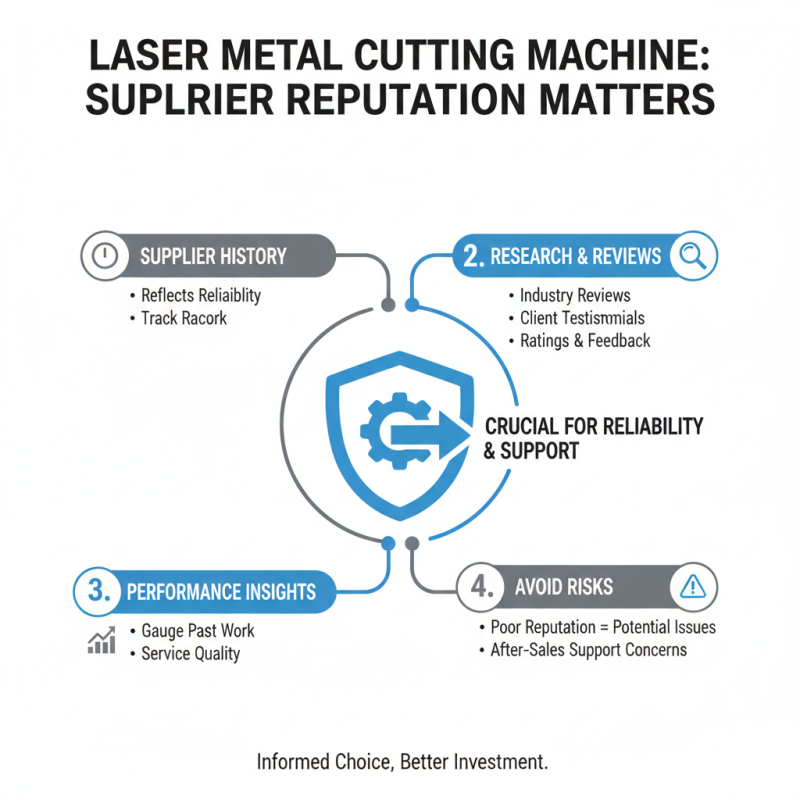
When selecting a laser metal cutting machine, evaluating supplier reputation is crucial. A supplier’s history reflects their reliability. Check industry reviews, customer testimonials, and ratings. Feedback from previous clients helps you gauge their performance. A poor reputation often signals potential issues.
Customer support services should be a priority, too. It’s essential to understand how they handle problems. Evaluate their response time and support options. Are they available via phone, email, or chat? Fast assistance can save you from costly downtime. Ask for references and follow up with them. Listen to their experiences about service quality.
Consider potential challenges when dealing with support teams. Miscommunication can lead to frustrations. Some suppliers may lack technical knowledge. Discuss your specific needs and see if they provide satisfactory answers. A clear line of communication is vital for a smooth operation. Make sure the supplier can grow with your business demands.